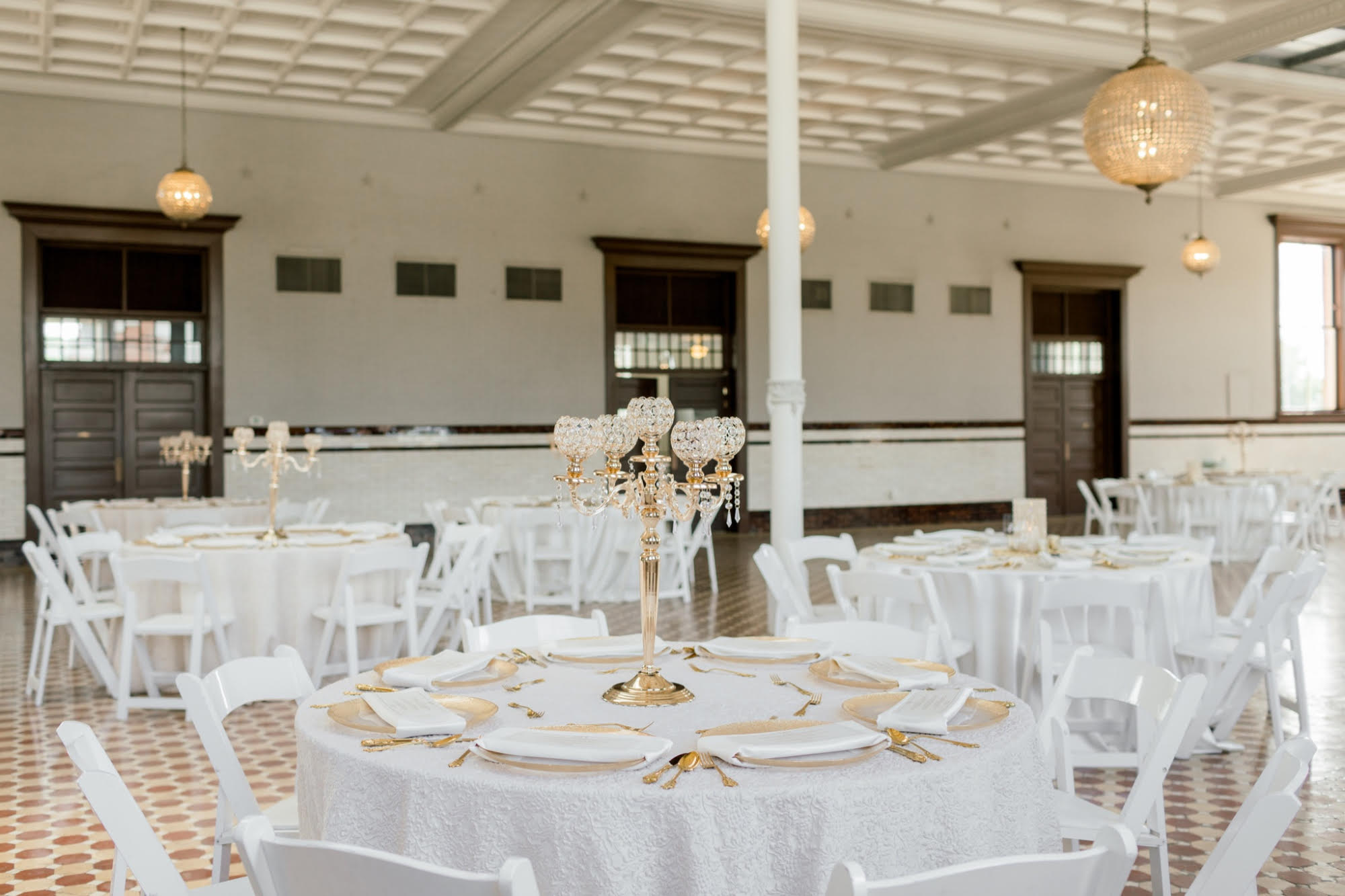
Indoor vs. Outdoor Wedding Venues in Indiana: What to Know Before You Book
Published June 8, 2026
Choosing between an indoor and an outdoor wedding venue in Indiana sounds simple at first, but once you start planning for weather, guest count, logistics, and seasonality, the decision becomes much more important. Indiana's climate creates very different experiences depending on the time of year, and the right venue setup can make a major difference in how smoothly your wedding day actually goes. The good news is that both indoor and outdoor weddings can work incredibly well in Indiana. The key is understanding the tradeoffs before you book.
The Reality of Indiana Weather
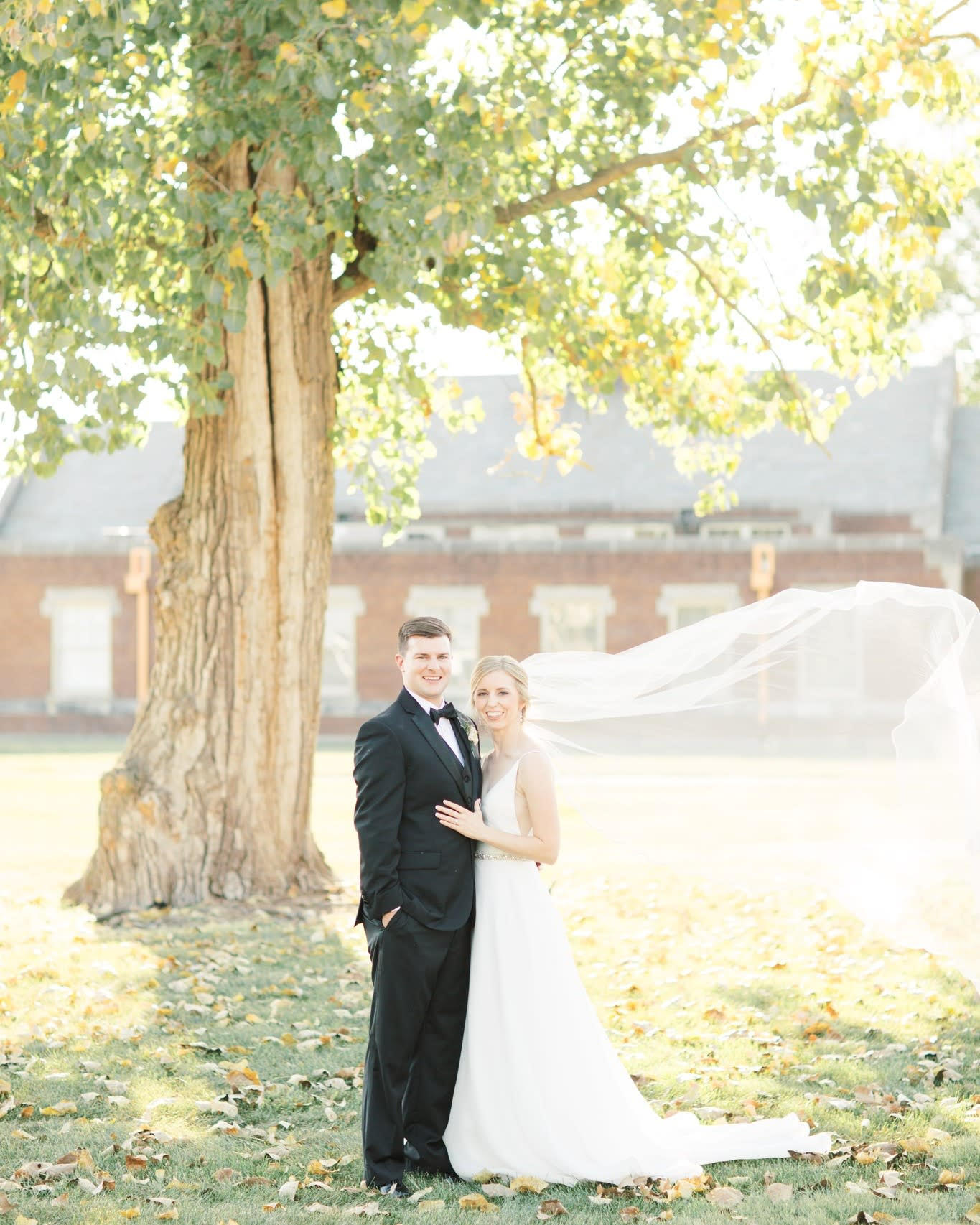
The biggest factor couples need to think about is predictability. Indiana gets all four seasons, and while that can create beautiful wedding backdrops throughout the year, it also means the weather can change quickly.
Spring weddings often bring mild temperatures and blooming landscapes, but they also come with a real chance of rain and muddy conditions. Summer weddings offer long days and lush scenery, though heat and humidity can become an issue, especially during outdoor ceremonies in July and August. Fall is one of the most popular wedding seasons in Indiana, for good reason: cooler temperatures and changing leaves create ideal conditions. Winter weddings can be incredibly atmospheric indoors, but outdoor options quickly become limited. Couples planning an outdoor wedding in Indiana should never think about the outdoor space alone. The backup plan matters just as much.
The Advantages of Outdoor Wedding Venues
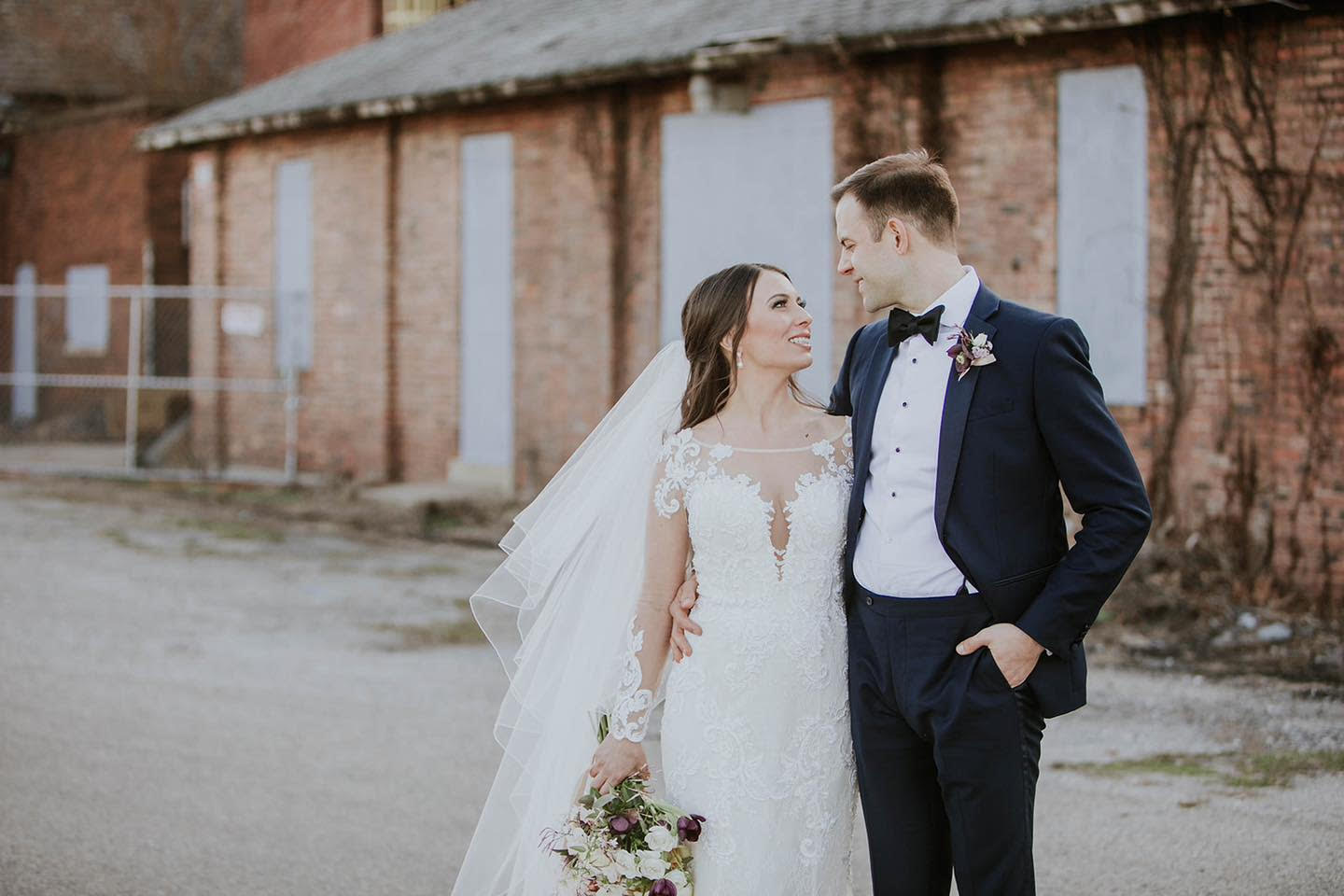
Outdoor weddings naturally create a different atmosphere. They tend to feel more open, relaxed, and visually tied to the surrounding environment. Whether it's a garden ceremony, a lawn cocktail hour, or photos during golden hour, outdoor venues offer a level of natural character that's hard to fully recreate indoors.
Outdoor venues also often offer greater flexibility in layouts and guest flow. Larger guest counts can feel less crowded outdoors, and spaces can transition naturally from ceremony to cocktail hour to reception.
For couples who want:
- Natural light
- Open-air ceremonies
- Sunset photos
- Seasonal scenery
- More casual or organic aesthetics
An outdoor venue can be a great fit. That said, outdoor weddings also require more logistical planning than many couples initially expect.
The Challenges of Outdoor Weddings
Weather is the obvious concern, but it's not the only one.
Outdoor weddings require couples to think through:
- Rain plans
- Heat management
- Wind
- Guest comfort
- Tent costs
- Ground conditions
- Lighting
- Sound systems
- Restroom access
- Vendor setup logistics
Even beautiful weather can create complications if the venue isn't designed to handle them properly. A ceremony field that looks perfect in photos may become difficult for elderly guests to navigate. Direct sunlight during a summer ceremony can also become uncomfortable quickly without shade or hydration stations. This is why experienced venues with both indoor and outdoor capabilities tend to perform best in Indiana. Flexibility matters.
Why Indoor Wedding Venues Continue to Be Popular
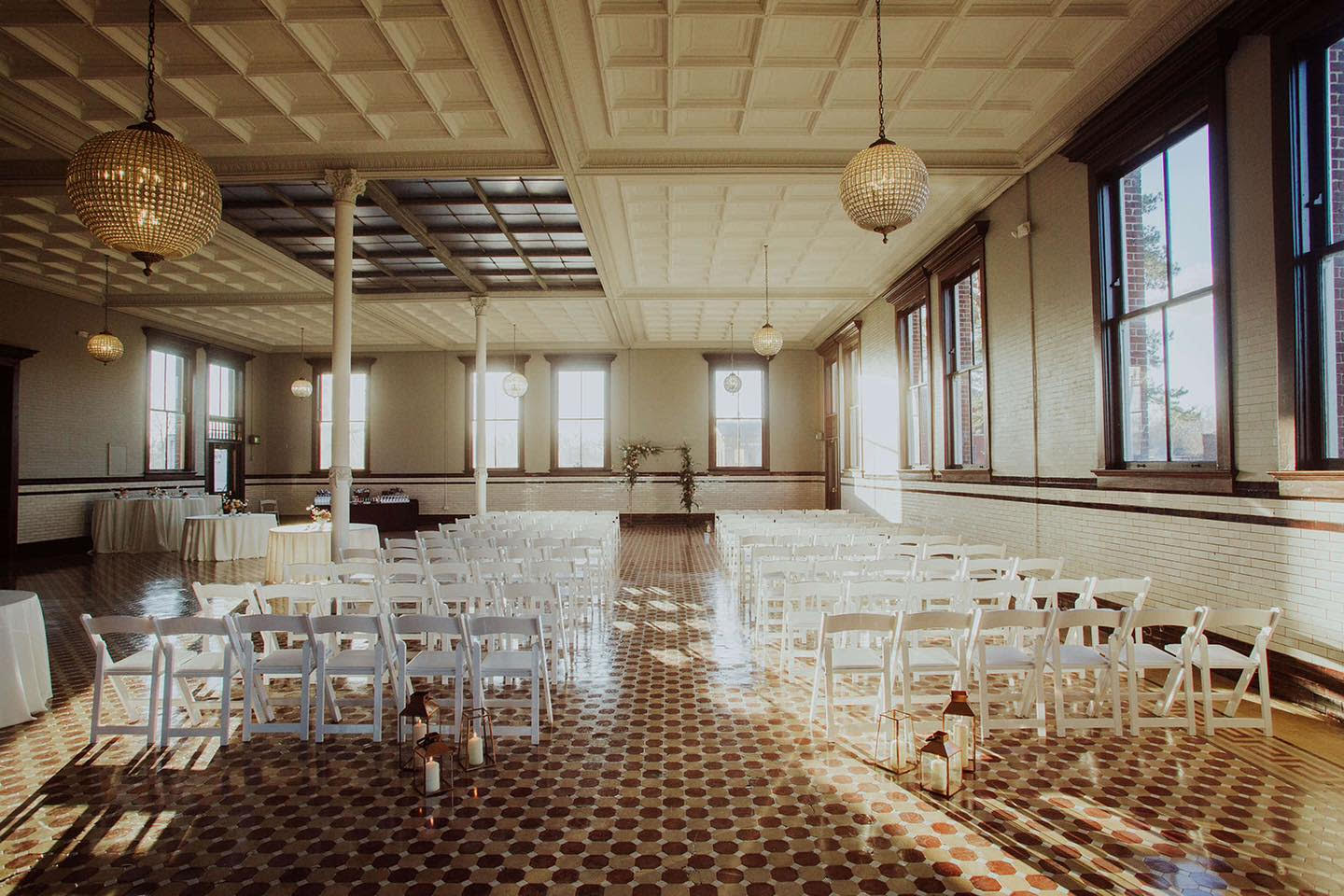
Indoor wedding venues remain popular in Indiana because they remove much of the uncertainty from the planning process. Temperature control, lighting consistency, vendor setup, accessibility, and weather protection all become significantly easier indoors. Couples also gain more confidence knowing that their timeline won't need to change based on a weather forecast a few days before the wedding.
Indoor venues also tend to work especially well for:
- Winter weddings
- Larger formal receptions
- Black tie weddings
- Historic venue aesthetics
- Candlelit evening receptions
In Indiana specifically, indoor venues with strong architectural character often give couples the best of both worlds. Historic buildings, restored venues, and spaces with large windows can still create an open, visually dynamic atmosphere without exposing the event to weather risks.
Hybrid Venues Offer the Most Flexibility
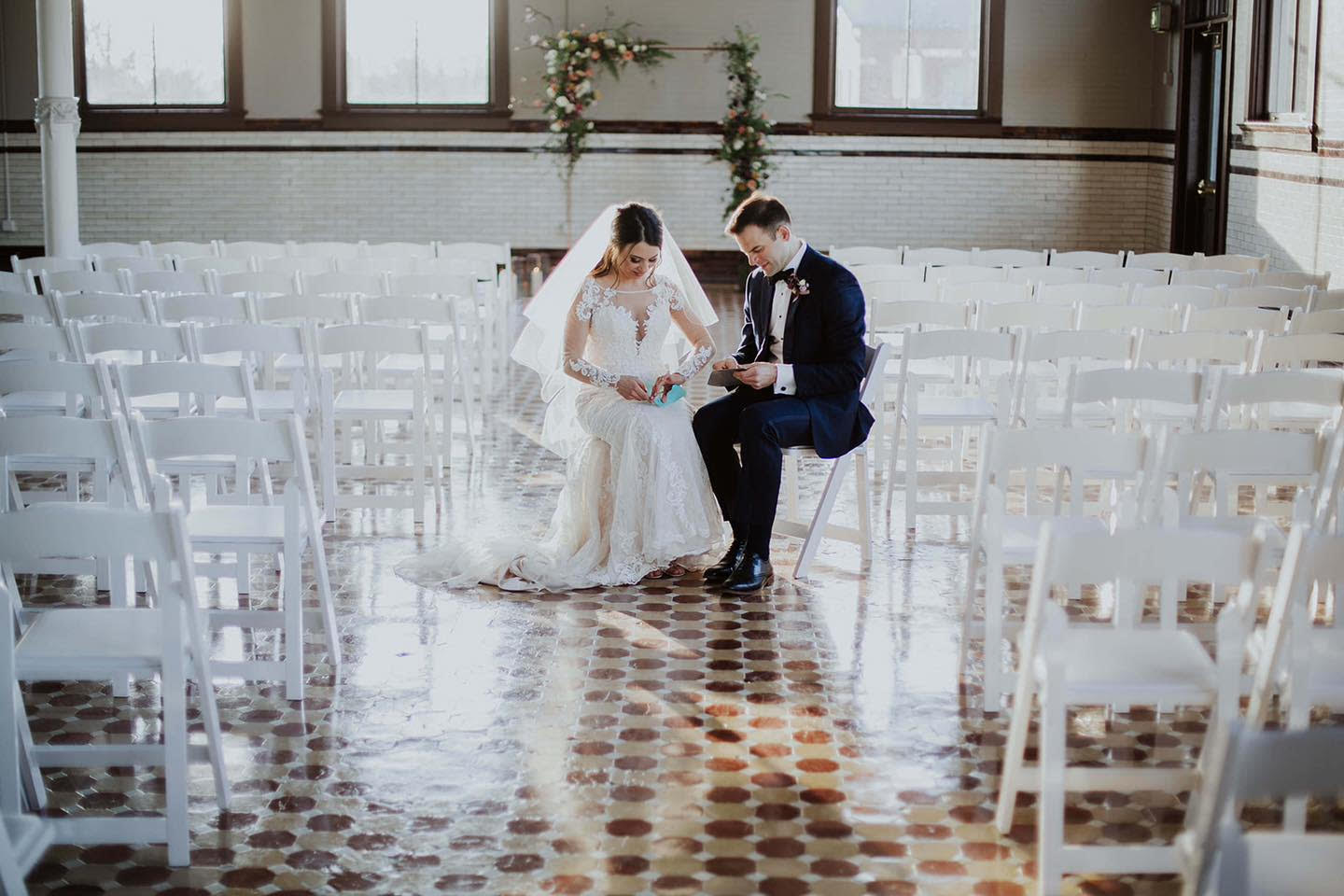
For many couples, the best option is a venue that combines indoor and outdoor spaces.
This setup allows couples to:
- Hold an outdoor ceremony if the weather cooperates
- Move indoors if needed
- Transition guests between multiple spaces
- Create more variety throughout the day
- Keep photography options flexible
It also reduces stress leading up to the wedding. Instead of obsessively checking forecasts the week before the event, couples know they already have a solid backup plan built into the venue itself.
This flexibility has become one of the top priorities for couples planning weddings in Indiana, especially during the spring and fall, when the weather can shift quickly.
Think Beyond the Ceremony Space
One mistake couples often make when touring venues is focusing solely on the ceremony backdrop without considering the full wedding-day experience.
A venue may have a beautiful outdoor ceremony location, but couples should also ask:
- Where does cocktail hour happen?
- What happens if it rains?
- How far do guests need to walk?
- Is there enough shade?
- How does the reception flow?
- Are photos still possible indoors if the weather changes?
The best venues are designed to make transitions feel seamless, regardless of weather conditions.
Choosing the Right Fit for Your Wedding
There's no universal "better" option between indoor and outdoor weddings in Indiana. It depends entirely on the experience you want to create and how much flexibility matters to you.
Outdoor weddings can create incredible scenery and atmosphere, while indoor weddings offer consistency and simplicity. For many couples, a venue that can comfortably handle both ends up being the smartest choice.
When touring venues, focus less on perfect weather and more on how prepared the venue is for every scenario. That's usually what separates a stressful wedding day from a smooth one.
Book a tour at 1899 Events to see how your wedding day can blend the best of indoor and outdoor spaces.