What Does Venue-Only Mean? A Wedding Vendor Freedom Guide
Published October 5, 2026
Choosing a wedding venue is about more than finding a beautiful space. The venue's policies can shape your catering options, bar service, budget, timeline, and the team you hire.
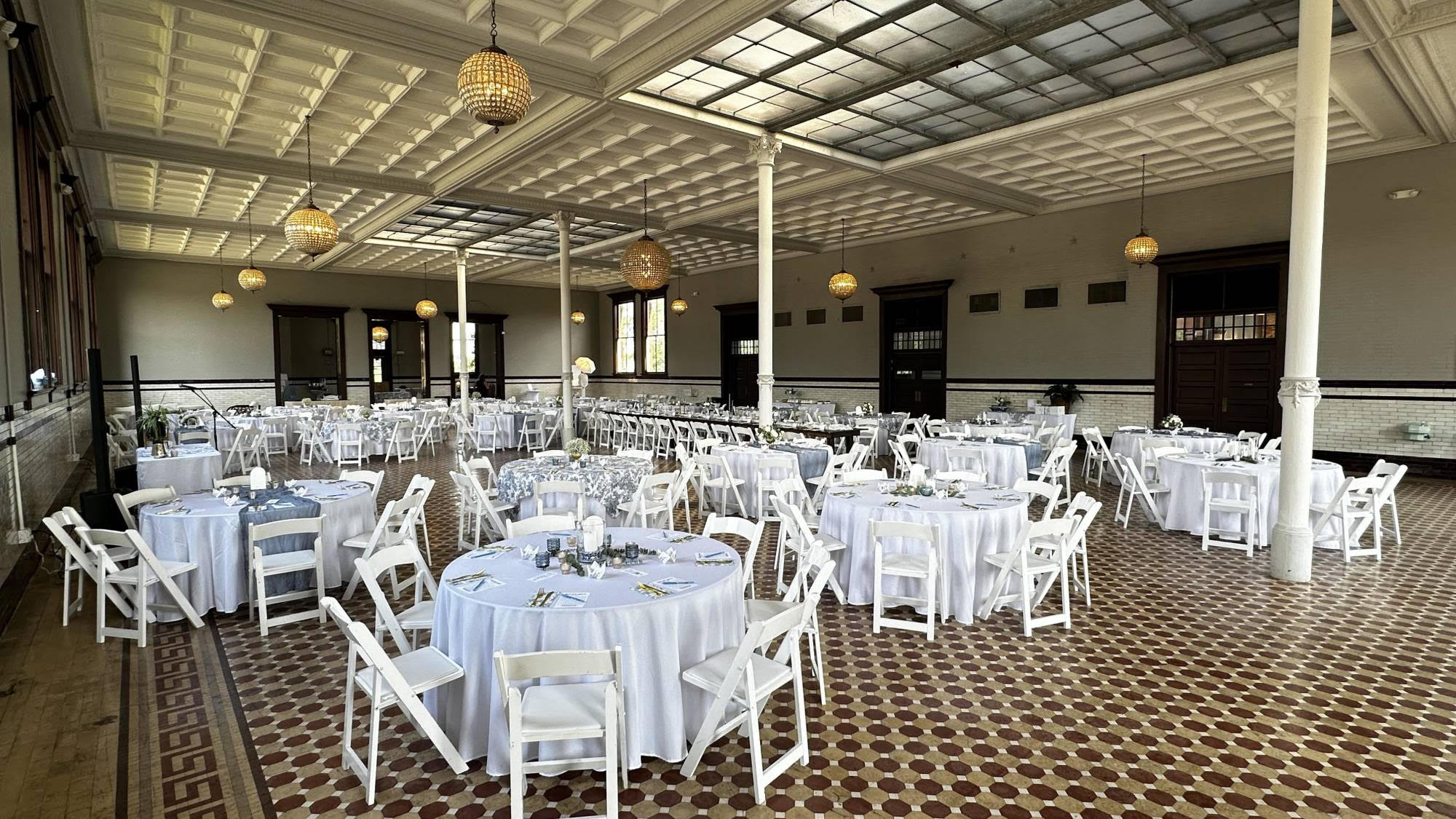
One term couples often encounter is venue-only. While it may sound like you are simply renting an empty building, a venue-only approach can offer something much more valuable: freedom. At 1899, couples have the flexibility to select vendors that fit their priorities, style, and budget.
What is a venue-only wedding venue?
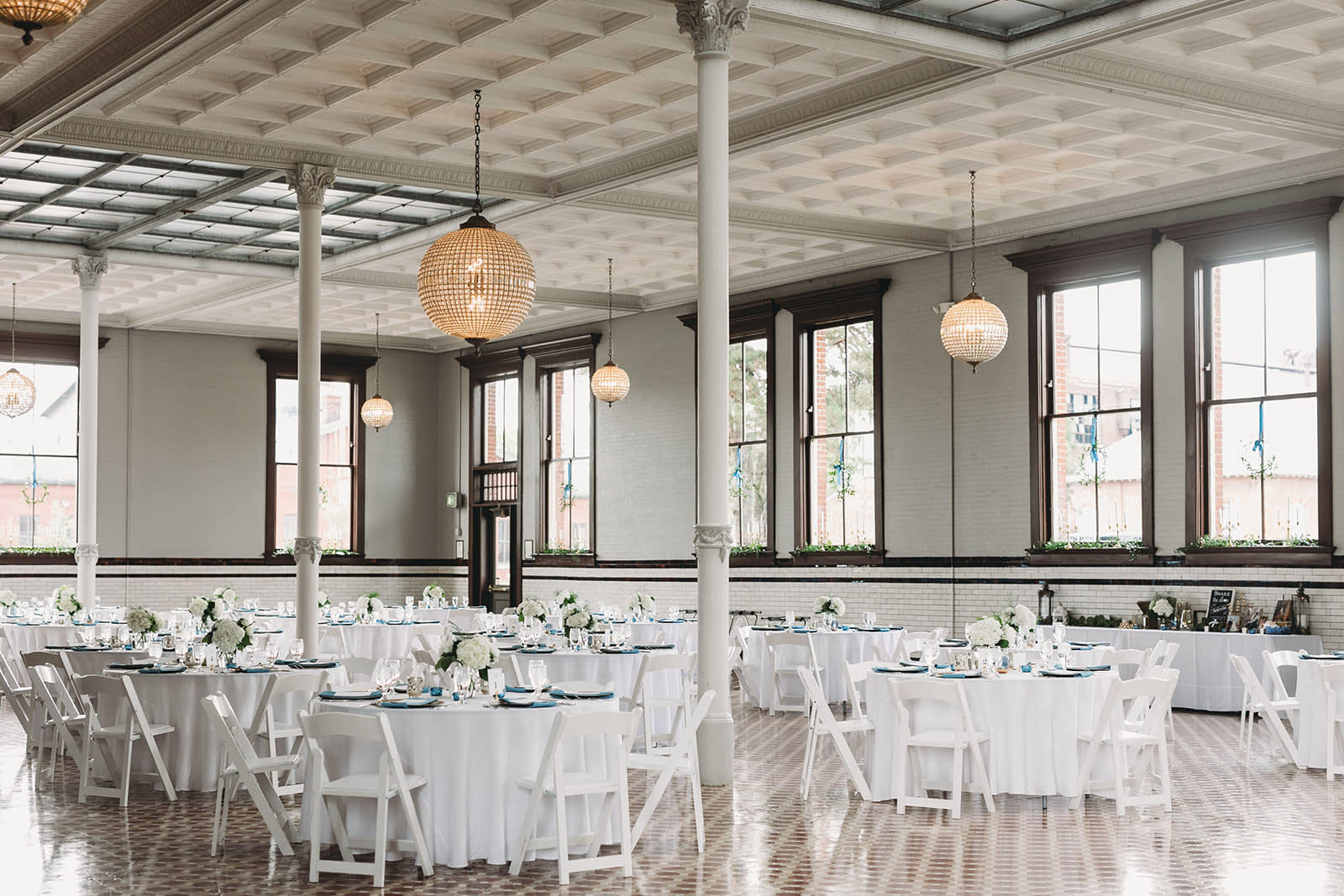
A venue-only property primarily provides event space and listed amenities, rather than requiring couples to purchase an all-inclusive package. At 1899 Events, full-day rental includes venue access from 8 a.m. to 11:59 p.m., private suites, parking for 265 cars, and tables and chairs for up to 300 guests. The venue also offers a kitchen prep area and a mobile bar front.
Rather than being locked into one catering company or predetermined package, couples can build a vendor team around the celebration they want for their big day.
Choose the caterer that fits your wedding
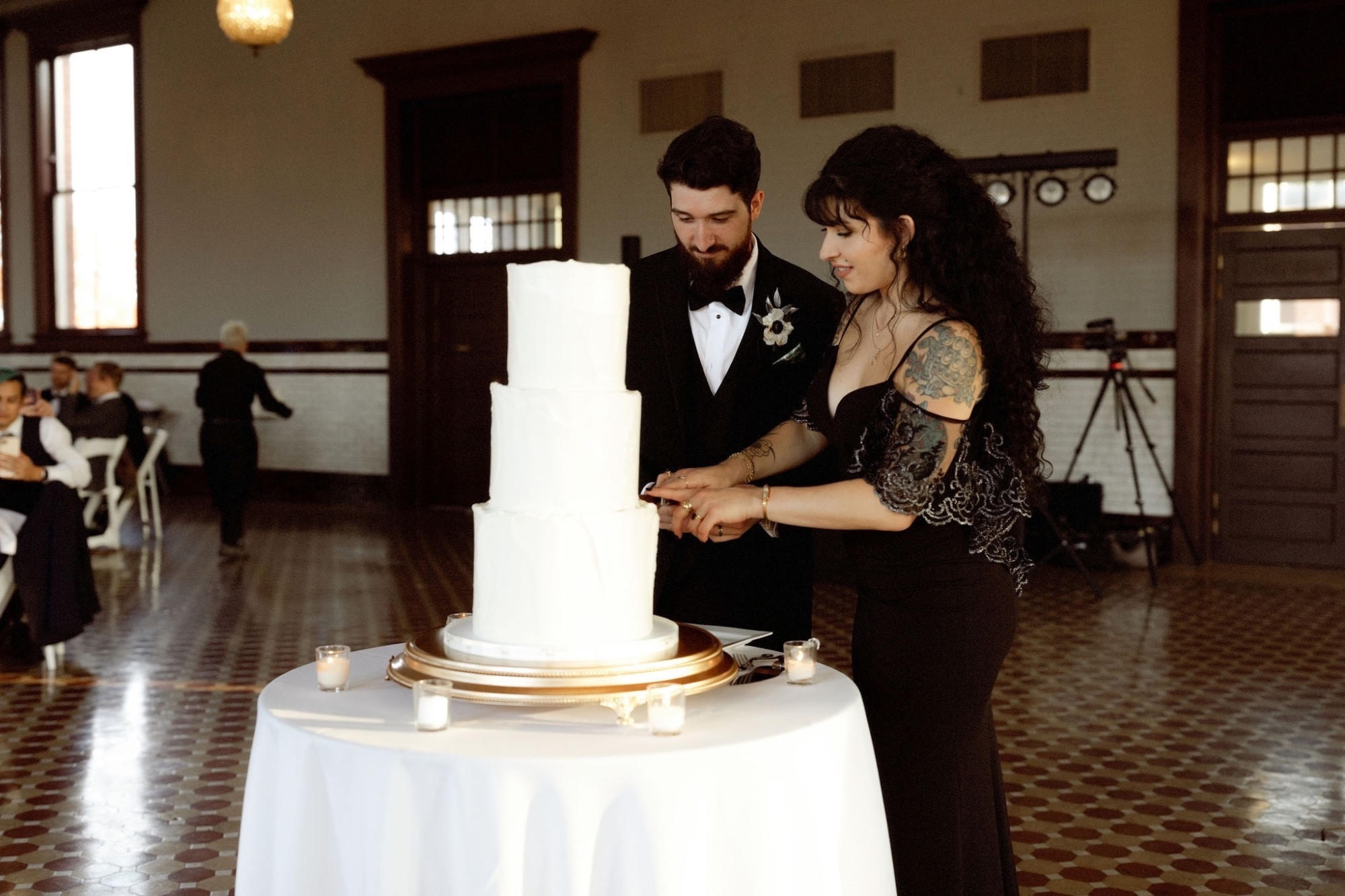
Food is one of the most memorable parts of a wedding for your guests. A venue that permits outside catering gives you more control over the menu, service style, and price. You may want a formal plated dinner, a family-style meal, a buffet, food stations, or dishes that reflect your family's culture.
Before signing with a caterer, confirm:
- Whether the caterer is licensed and insured
- What staffing is included
- Whether linens, dishes, glassware, and utensils are provided
- Who handles setup, bussing, trash, and cleanup
- What equipment the caterer needs to bring
- How the venue's kitchen prep area may be used
The kitchen prep area should be treated as a staging and preparation space unless the venue and caterer confirm otherwise. Ask each caterer what cooking, refrigeration, warming, and serving equipment will be required.
Understand how vendor freedom affects your budget
Some venues require couples to use an exclusive caterer, bar provider, planner, or rental company. Others require a minimum food-and-beverage purchase in addition to the venue rental. A venue-only model with no required vendor minimums gives you more room to allocate your budget where it matters most.
You can compare proposals, adjust the guest experience, and decide whether to invest more in food, entertainment, photography, decor, or another priority. Vendor freedom does not mean choosing solely by price. Look at experience, communication, reviews, staffing, insurance, and familiarity with events of your size.
Plan vendor access and load-in
A smooth event begins before the first guest arrives. Each vendor needs to know when they can enter, where they should park, which entrance to use, and how much time they have to complete setup.
Create a written load-in schedule for:
- Catering
- Bar service
- Florals and decor
- Rentals
- Entertainment
- Photography and video
- Cake or dessert delivery
- Transportation
Share the schedule with the venue and vendors in advance. Staggering arrivals can prevent congestion and give each team enough room to work. It is also helpful to identify one person who can answer vendor questions on the wedding day. This may be a planner, coordinator, or trusted representative, not the couple.
Coordinate bar service
A mobile bar front can help define the beverage-service area while giving couples flexibility in how the bar is staffed and supplied.
Before hiring a bartender or beverage provider, confirm:
- Who purchases and transports the alcohol
- Whether the bartender must hold specific permits or insurance
- What mixers, ice, garnishes, glassware, and tools are included
- How many bartenders are needed for the guest count
- When service begins and ends
- Who removes leftover beverages and waste
Alcohol rules and insurance requirements can vary, so all arrangements should be approved by the venue.
Confirm insurance requirements
Professional vendors commonly carry general liability insurance, and some services may require additional coverage. Ask vendors for certificates of insurance early rather than waiting until the week of the wedding.
Confirm with the venue:
- Which vendors must provide insurance
- Whether the couple needs event liability coverage
- Whether alcohol service requires additional coverage
- When documentation is due
- Whether specific parties must be listed on the policy
These details are administrative, but resolving them early helps prevent last-minute changes.
Define setup and cleanup responsibilities
Vendor flexibility works best when every responsibility has an owner.
A clear setup plan should identify who is responsible for:
- Placing tables and chairs
- Installing linens and place settings
- Setting up ceremony decor
- Arranging centerpieces and signage
- Preparing the bar and catering areas
- Moving decor between the ceremony and reception
The cleanup plan should cover:
- Removing decorations and personal items
- Packing leftover food and beverages
- Breaking down rentals
- Collecting trash
- Cleaning vendor work areas
- Confirming when everything must leave the property
Review the venue agreement and vendor contracts together. If a responsibility does not appear in either document, assign it before the wedding.
The advantages of choosing vendors independently
The greatest benefit of a venue-only approach is the ability to create a wedding that reflects your priorities.
Vendor freedom can allow you to:
- Compare pricing and service levels
- Choose food that reflects your tastes or traditions
- Work with local businesses you already know
- Adjust the vendor team to fit your guest count
- Spend more in the areas that matter most
- Avoid paying for package elements you do not need
- Create a more personal guest experience
It also gives you a clearer view of where your money is going because each service is selected separately.
Is a venue-only wedding right for you?
A venue-only setting may be a good fit if you value flexibility and want an active role in choosing your team. It is especially helpful for couples with a specific caterer, cultural menu, planning style, or budget strategy in mind.
The tradeoff is that separate vendors require coordination. A detailed timeline, clear contracts, and an experienced planner or day-of coordinator can make the process much easier.
Plan your wedding your way at 1899 Events
1899 Events combines a historic Indianapolis setting with the freedom to build a celebration around your own priorities. With generous venue access, private suites, tables and chairs, ample parking, a kitchen prep area, and vendor flexibility with no minimums, couples have room to plan an event that feels personal from start to finish.
Ready to see how your vendor team could come together at 1899? Book a tour and bring your questions about catering, bar service, setup, and the type of celebration you are planning.
